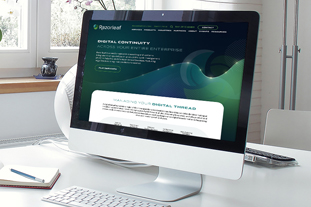


Rebranding a technology company is a strategic process that can reposition your business in the market, connect with evolving customer needs, and signal innovation in a competitive space. Whether you’re a SaaS startup scaling up or an established IT company ready for a modern identity, here’s what you need to know before you begin.
Why Rebrand a Tech Company?
Tech companies often rebrand to:
- Reflect new products or services.
- Appeal to a broader or more targeted audience.
- Modernize an outdated brand image.
- Differentiate from competitors.
- Align with a merger, acquisition, or pivot.
If your current brand doesn’t represent where your company is going, it’s time for a rebrand.
Step 1: Audit Your Current Brand
Start by evaluating your existing brand assets, including your logo, messaging, website, product visuals, and tone of voice. Ask yourself:
- Does your brand reflect your current mission and values?
- Is your visual identity consistent across platforms?
- Do your customers recognize and resonate with your message?
A brand audit reveals what to keep, update, or remove.
Step 2: Define Your Brand Strategy
Your brand strategy should guide every decision. Clarify:
- Your brand purpose and positioning.
- Your target audience (and how it’s changed).
- Unique differentiators in your market.
- Tone and voice.
Use this strategy to create a cohesive foundation for your new brand identity.
Step 3: Refresh or Redesign Your Visual Identity
Your logo, color palette, typography, and iconography need to reflect your brand’s evolution. In the tech space, clean lines, futuristic aesthetics, or human-centered designs can all send different messages.
Make sure your new visuals work across:
- Mobile and desktop platforms
- Social media profiles
- Product interfaces and dashboards
- Marketing and sales materials
Step 4: Update Your Messaging
Tech buyers are savvy. Your messaging needs to be clear, credible, and benefit-driven. Focus on:
- Your value proposition.
- Taglines and brand story.
- Updated product/service descriptions.
- AI or innovation-forward positioning, if applicable.
Make it easier for prospects to understand what you offer and why it matters.
Step 5: Redesign Your Website for SEO and UX
Your website is often the first impression your brand makes, especially in the tech industry.
A rebrand is the perfect opportunity to improve your site’s structure and page speed, implement updated SEO keywords, and create a more streamlined, intuitive user experience.
It’s also the ideal time to highlight refreshed messaging, showcase new case studies, and better communicate your capabilities. Don’t overlook technical essentials like metadata, mobile responsiveness, and accessibility.
Step 6: Align Internal Teams Before Launch
Before launching your new brand externally, ensure internal alignment. Share brand guidelines, messaging updates, and visual assets with your team. This ensures a consistent rollout across sales, support, recruiting, and leadership.
Step 7: Plan a Strategic Brand Launch
Your rebrand deserves a coordinated launch strategy that builds excitement and ensures consistency across every touchpoint.
Start with a teaser campaign or countdown to generate anticipation, followed by a press release and blog post to officially announce the change. Send an email announcement to your contact list and update all digital platforms with your new branding.
Support the launch with fresh branded content, such as explainer videos, product demos, or customer success stories that reflect your updated identity.
Done well, rebranding your technology company can attract investors, build trust with enterprise buyers, and position your company as a future-ready leader in your space.
Choose the Right Web Design Company for Your Tech Brand
Whether you’re an AI startup, SaaS provider, or IT services firm, your website needs to do more than just look good. It needs to communicate innovation, build trust, and convert visitors. That’s why finding a website design company that specializes in technology brands is crucial.
Why Tech Companies Need Specialized Web Design
Tech brands operate differently. Your solutions may be complex, your audience may be highly technical (or not at all), and your industry is evolving quickly. A generalist design agency may not fully understand:
- How to simplify complex services (like AI integrations or cybersecurity platforms).
- How to design for product-led growth, demos, or gated content
- The visual expectations of modern B2B and tech-savvy audiences
You need a partner who speaks your language, both visually and strategically.