

Whether printed or digital, a well-designed catalog becomes a brand storyteller and a relationship builder. From B2B buyers and distributors to direct consumers, catalogs remain one of the most effective ways to communicate your value, showcase your offerings, and guide buyers through their journey.
At Aviate Creative, we’ve helped dozens of clients transform their product data into high-conversion catalogs. In this article, we’ll explore real examples of great catalog design and share what makes them successful.
What Makes a Catalog Design Great?
1. Clear Product Hierarchy
Great catalog design starts with organization. A logical structure helps buyers navigate quickly, by product category, application, or industry. Typography, spacing, and color-coding support this hierarchy so users can scan easily.
Pro Tip: Use side tabs, color blocks, or iconography to distinguish between product groups.
Bonus Pro Tip: Limit font styles, use plenty of white space, and keep copy concise. A clean layout reduces friction and keeps attention on what matters most: the products.
2. Strategic Use of Imagery
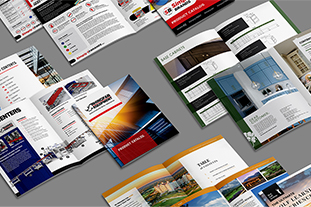
Hero shots create visual interest, lifestyle images build context, and detailed product photography supports buying decisions. A well designed catalog combines all three to tell a compelling visual story while reinforcing product quality.
Example: In a recent catalog redesign for a home goods brand, we featured lifestyle spreads upfront, followed by tightly organized product grids with consistent lighting and angles for easy comparison.
3. Consistent Branding
Every touchpoint in your catalog should reflect your brand. From fonts and color palettes to voice and tone. When your catalog feels like your brand, it deepens recognition and trust. A strong catalog reinforces your visual identity while delivering helpful content.
4. Optimized for the Buyer Journey
Does your catalog support how your customers buy? A great design guides the reader from discovery to decision through callouts, spec tables, comparison charts, and clear CTAs. For example, integrated QR codes can bridge print and digital, increasing engagement and tracking.
5. Scalable Modular Layouts
Whether you have 50 SKUs or 5,000, your catalog should be able to grow with your product line. We build catalogs on modular grid systems and reusable layout patterns. This approach allows clients to scale from a 40-page catalog to a 120+ page product library without compromising visual consistency or usability.
Bonus: Scalable design means faster updates and reduced production costs over time.
6. Build Trust and Credibility
Your catalog should relay why buyers should choose your brand. Including elements that signal trust and authority helps build confidence with your audience.
Incorporate customer reviews, testimonials, or case study highlights to show real-world satisfaction. Feature industry certifications, awards, or recognizable partner logos to lend credibility. You can also add short expert tips, usage techniques, or thought leadership content to position your brand as a knowledgeable resource.
These trust signals add depth to your catalog and help buyers feel more confident in their purchase decisions.
Pro Tip: Dedicate a section or callouts throughout the catalog for testimonials, certifications, or “as seen in” logos. Small details can go a long way in establishing legitimacy.
Why Catalog Design Still Matters
Did you know 81% of B2B buyers have made a purchasing decision based on a catalog? That means your layout, photography, and navigation directly affect your bottom line.
Catalogs are a direct reflection of your brand and the quality of your products. A poorly designed catalog can make even the best offerings feel less valuable. On the other hand, thoughtful, high-quality design reinforces craftsmanship, attention to detail, and professionalism, leaving a lasting impression that builds trust and brand affinity.
In fact, print catalogs are thriving. Despite the digital age, brands are increasing catalog production. A tactile catalog can increase the overall effectiveness of your marketing mix.
Looking to Create a Great Catalog?
We’ve helped manufacturers, distributors, and B2B brands turn their product data into polished, high-conversion catalogs. Let’s talk about how we can bring yours to life.