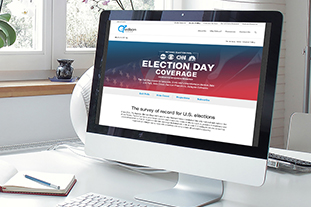

A high-converting landing page should be strategically designed to guide users toward a specific action, whether that’s filling out a form, requesting a quote, or making a purchase. When done correctly, effective landing page design enhances user experience, boosts lead generation, and drives measurable ROI.
What Makes a High-Converting Landing Page
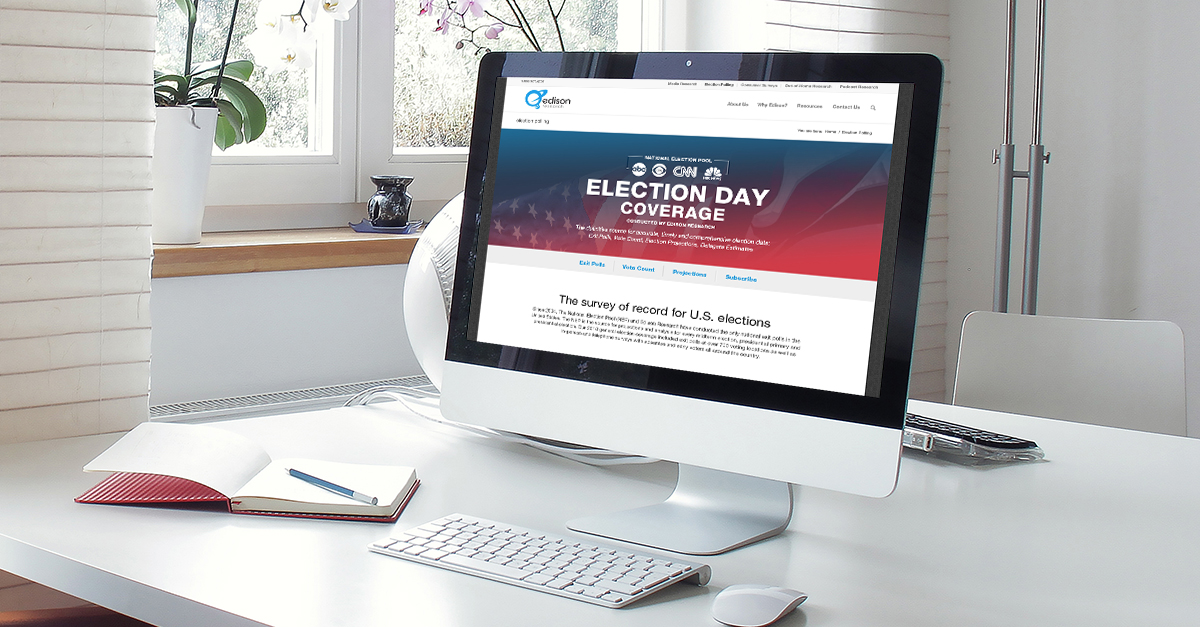 A successful landing page starts with clarity. Visitors should immediately understand what you offer and why it matters. Clear messaging, strong visual hierarchy, and focused content all play a role in boosting landing page conversion rates.
- Key elements of high-converting landing pages include:
- A compelling headline that addresses a pain point
- Concise, benefit-driven copy
- One clear call to action
Trust signals such as testimonials, reviews, or certifications
Every design choice should support your conversion goal and remove friction from the user journey.
Increased Brand Visibility
A well-designed vehicle wrap instantly communicates your brand to anyone who sees your vehicle on the road. Studies show that a single wrapped vehicle can generate 30,000–70,000 impressions per day, making it one of the most effective ways to increase local brand awareness.
Landing Page Design Best Practices
Clear Headlines and Value Propositions
Your headline should clearly communicate your value proposition using SEO-friendly keywords related to your product or service. Strong headlines increase time on page and reduce bounce rates.
Strategic Layout and Visual Flow
Effective landing page layouts guide users’ eyes from top to bottom. Use whitespace, contrasting colors, and directional cues to highlight important elements like CTAs. A clean, intuitive design keeps users engaged and focused.
Conversion-Focused Calls to Action
A strong CTA tells users exactly what to do next. Use action-oriented language such as “Get Started,” “Request a Demo,” or “Download Now.”
Mobile Optimization and Page Speed
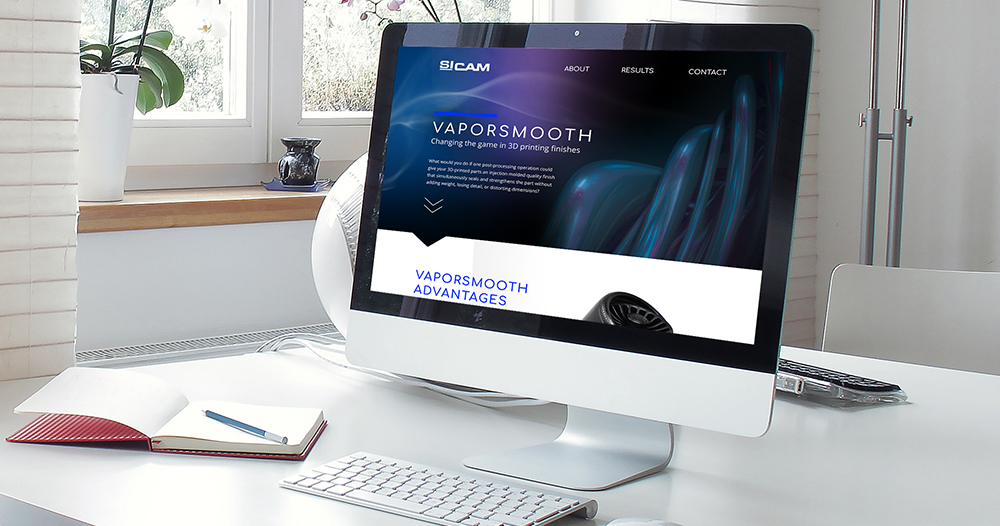 Mobile-friendly landing page design is important. With most users browsing, on mobile devices, responsive layouts and fast load times directly impact conversion rates. Optimize images, minimize scripts, and ensure forms are easy to complete on smaller screens.
Testing, Analytics, and Continuous Optimization
Designing landing pages that convert doesn’t end at launch. A/B testing headlines, CTAs, layouts, and imagery helps identify what performs best. Use analytics tools to track conversion rates, bounce rates, and user behavior, then refine your landing page for ongoing improvement.
Why Conversion-Driven Landing Pages Matter
Well-designed landing pages turn traffic into tangible results. By combining strategic messaging, user-focused design, and data-driven optimization, businesses can increase conversions, lower cost per lead, and maximize marketing performance.
If your goal is growth, invest in conversion-optimized landing page design.