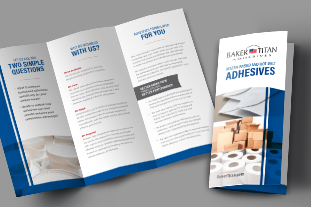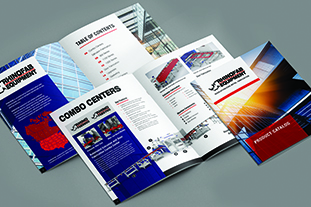

You might think product catalogs are a thing of the past. But the truth is, manufacturing buyers still actively request and rely on catalogs when sourcing new suppliers and products.
Why Manufacturing Buyers Still Want Catalogs
Even with websites, online marketplaces, and digital marketing tools, catalogs remain a cornerstone of the B2B manufacturing purchasing process. Here’s why:
1. Easy Access to Complete Product Information
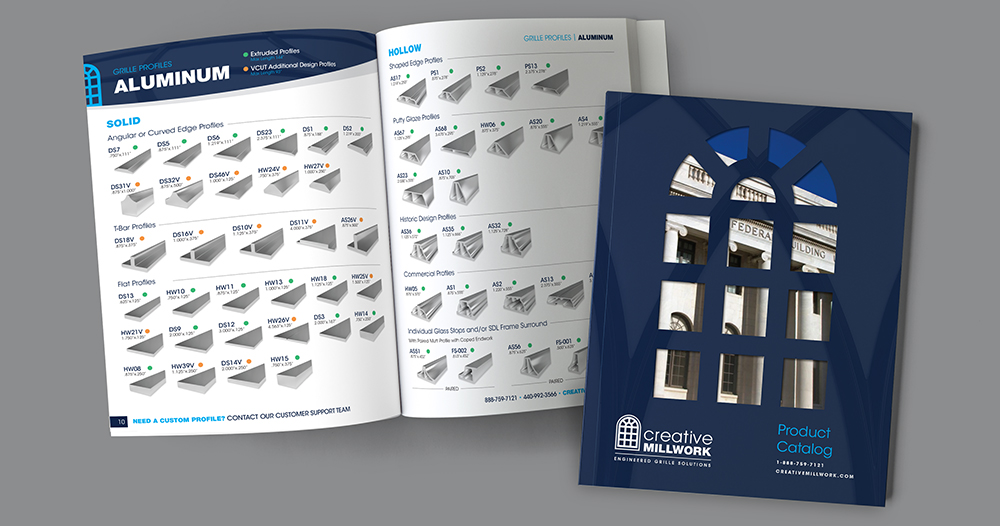
Manufacturing buyers need a quick reference with detailed specifications, dimensions, and material data. A well-organized catalog, whether digital PDF or printed booklet, provides a single source of truth for buyers, reducing back-and-forth emails.
2. Builds Credibility and Trust
A professionally designed catalog signals that your company is serious, reliable, and capable of delivering quality products. Buyers often view companies without catalogs as less established or harder to work with.
3. Simplifies the Buying Process
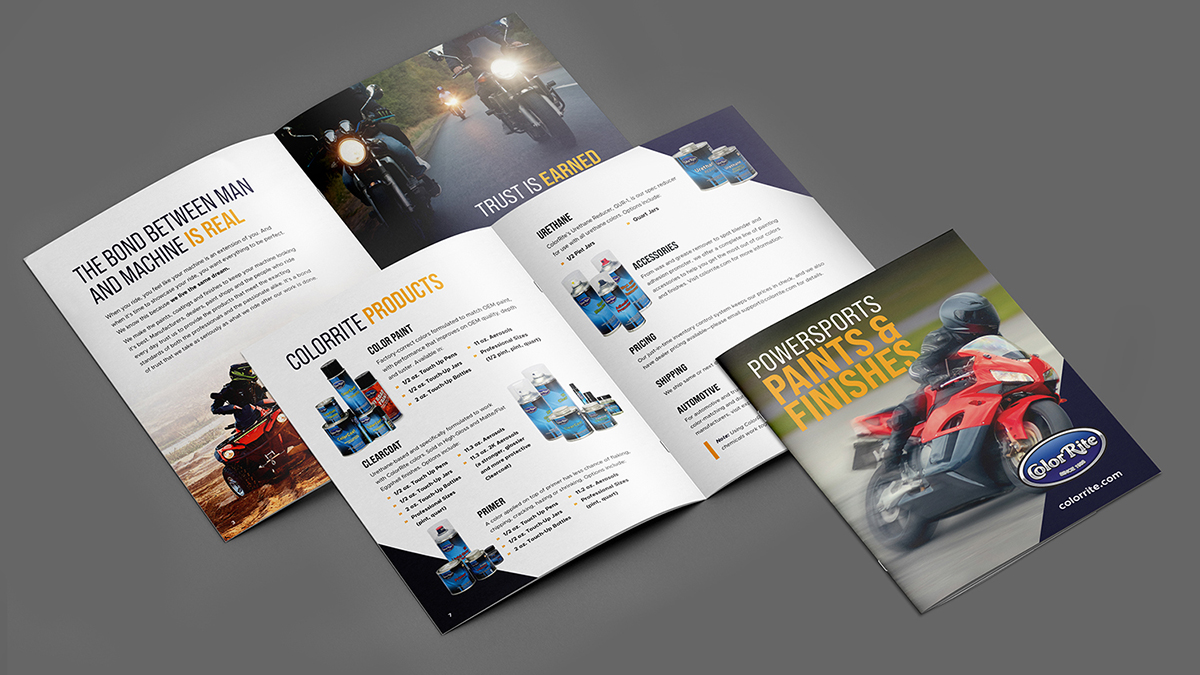
Catalogs allow buyers to compare products, check availability, and plan orders without navigating multiple websites or contacting sales reps. This convenience is invaluable in fast-paced industries where time is money.
Digital vs. Printed Catalogs
Many manufacturers wonder if digital catalogs are enough. The answer? Both formats serve unique purposes.
Printed Catalogs
- Tangible and portable for in-person meetings, trade shows, and offices
- Easy for buyers to share with teams
- Memorable: a physical catalog can leave a lasting impression
Digital Catalogs
- Quick to update with new products and pricing
- Searchable and interactive, with links to datasheets, videos, and ordering pages
- Can track engagement metrics, helping marketing and sales teams refine their approach
How to Make Your Catalog Work for Manufacturing Buyers
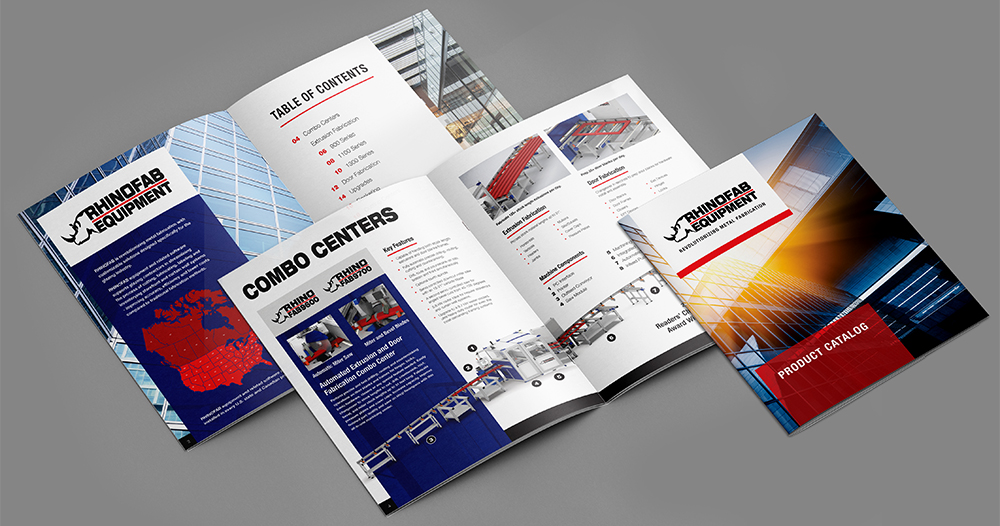
To ensure your catalog truly connects with manufacturing buyers, focus on delivering a complete, professional experience:
- Strategic Branding: Make sure your catalog reflects your company’s identity consistently.
- Expert Design & Layout: Organize by category or application, your catalog should be intuitive and easy to navigate. Thoughtful design guides buyers through your offerings seamlessly.
- High-Impact Images & Color: Use professional photography, diagrams, and color palettes that highlight your products and make technical information visually clear.
- Digital & Physical Accessibility: Whether it’s a downloadable PDF or a printed booklet, ensure your catalog is accessible to your buyers wherever they need it, without sacrificing quality.
If your manufacturing business has neglected catalogs, now is the time to reconsider your approach.