

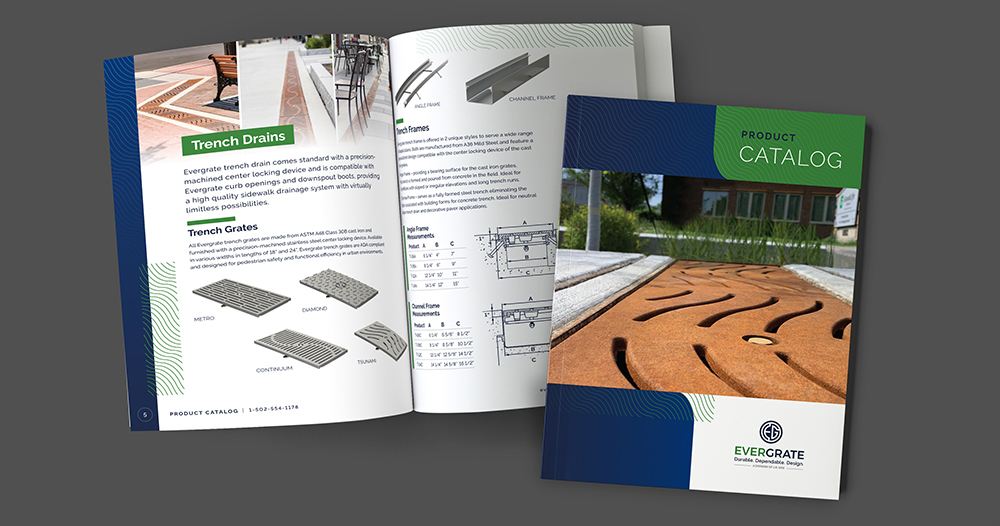
When companies begin thinking about producing a catalog, the first question is almost always the same: “How much does it cost?” While every project is unique, there are consistent factors that shape catalog pricing. Understanding these variables helps businesses plan accurately and appreciate the level of strategy, design, and production involved.
Why Catalogs Cost What They Do?
Think of a product catalog as a sales tool. Unlike a simple brochure, catalogs require deeper strategy, product organization, visual systems, copywriting, and high-quality layout design. They often drive revenue directly, which is why their creation requires thoughtful planning and professional execution.
At Aviate Creative, we’ve outlined our approach to pricing in our Pricing Philosophy White Paper, which explains the real drivers behind creative costs: expertise, time, quality, and business impact. Rather than guessing or using arbitrary hourly rates, our pricing reflects the value and outcomes we create.
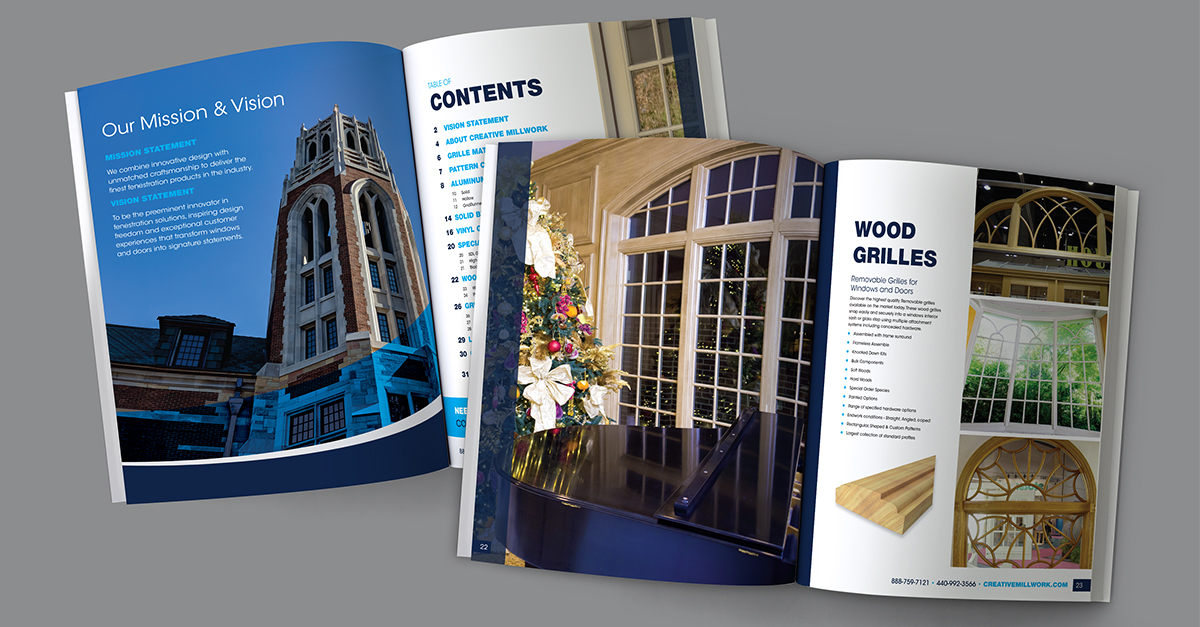
Key Factors That Influence Catalog Pricing
1. Page Count
Catalogs must be built in increments of four pages. More pages mean more design, layout, copy, and image handling, making this the biggest cost factor.
2. Complexity of Products or Services
Simple, repeatable product layouts require less time. Complex technical details, large product families, or multi-level specs expand both design and content needs.
3. Photography and Image Quality
Some clients provide fully edited, high-resolution images; others need retouching, new photography, or cleanup. This affects both time and workflow.
4. Content Requirements
If copywriting, editing, or messaging development is needed, that adds to the scope. Many catalogs also require custom graphics, icons, or charts.
5. Structure & Strategy
Before any design happens, we plan: how products are grouped, what the hierarchy should be, and how the catalog will help customers make buying decisions.
So… What Does a Catalog Actually Cost?
While pricing varies by project, here is our general baseline:
8-page catalog: $4,500
This is the smallest catalog size and includes foundational work such as establishing the visual system, setting up master page templates, defining typography, creating the grid structure, and designing the first round of page layouts. This stage is typically the most time-intensive because it sets the creative direction for the entire catalog.
Each additional 4 pages: Approximately $1,300 more
After the initial design framework is built, adding pages becomes more efficient, but still requires thoughtful layout and image handling.
These ranges cover professional layout, design systems, content flow, and production-ready files. This does not include copywriting or photography.
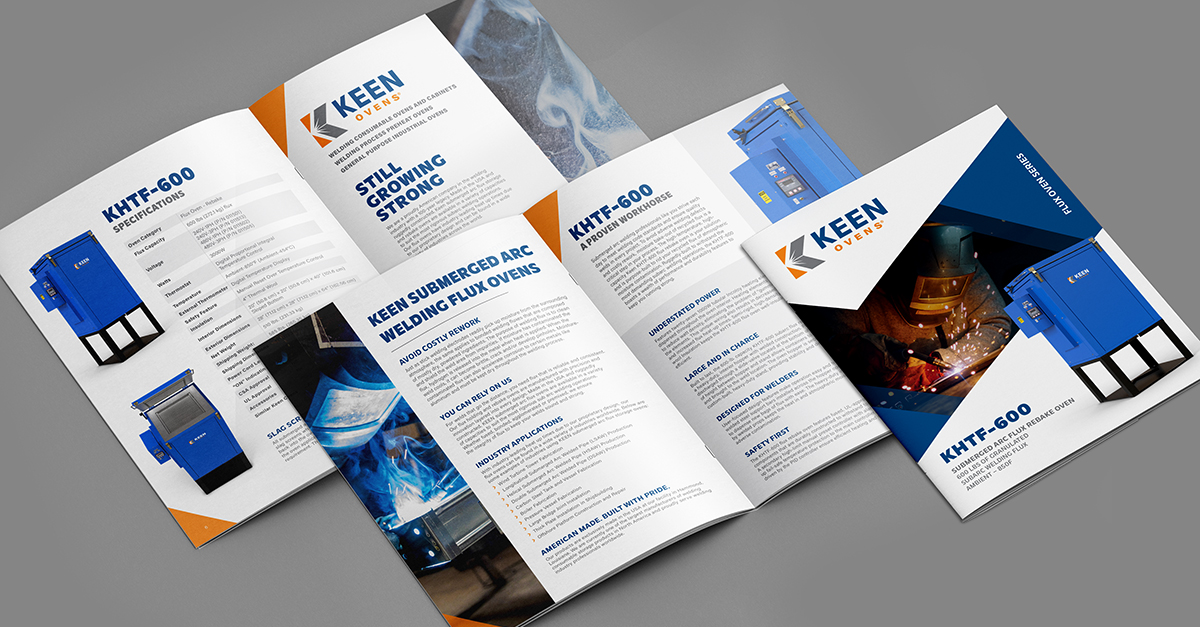
A catalog is an investment in how your brand communicates and sells. By understanding the strategy, design steps, and value behind the process you can approach your next catalog project with clarity, confidence, and the right budget expectations.


Post a comment