
If you want to attract the right customers, grow your market share, and build long-term brand value, it starts with one critical factor: positioning.
What Is Positioning?
Positioning is how your company is perceived in the minds of your ideal customers. It’s not just what you do, it’s how you’re different.
Why Positioning Matters in Manufacturing
Manufacturers often compete in saturated markets where features, specs, and pricing are strikingly similar. Without clear positioning, you risk being viewed as a commodity, easily replaceable. Or you might end up competing solely on price.
With strong positioning, you can:
- Attract the right clients
- Communicate value beyond price
- Build brand loyalty
- Guide your marketing, sales, and product development
So, what does strong positioning actually look like in practice? It starts with a few key steps:
1. Define Your Differentiators
Start with an honest assessment of what sets you apart. This could be:
- Proprietary technology or materials
- Speed or capacity
- Custom engineering capabilities
- U.S.-based production
- Industry certifications or compliance
- Deep expertise in a niche vertical
Focus on articulating these points clearly through taglines, naming, and messaging frameworks that build credibility and interest.
2. Build a Cohesive Brand Identity
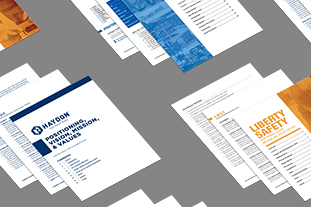
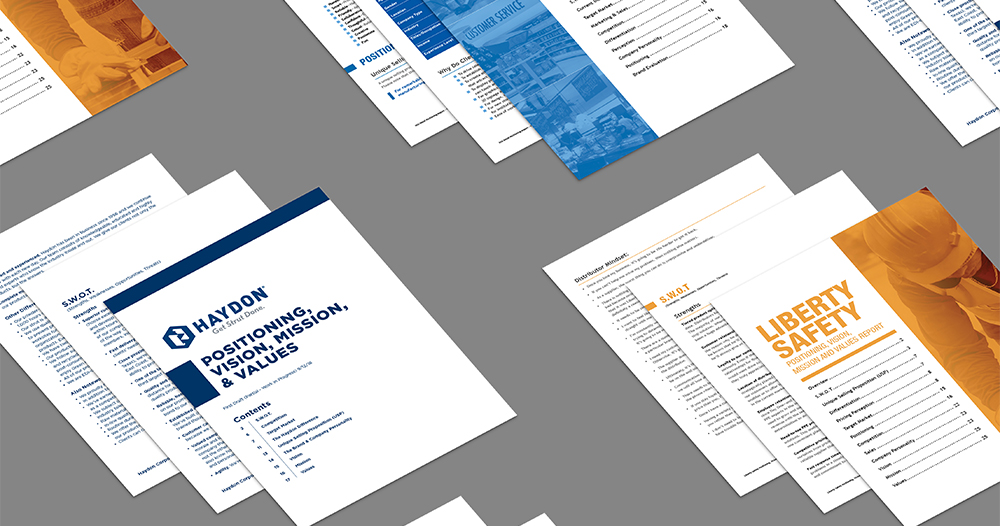
Once your positioning is defined, your branding must reflect it. Create brand systems and branding guidelines that ensure consistency across all of your marketing channels. That means everything from your logo and tagline to your website, stationery, and sales materials should reinforce who you are and what you stand for.
3. Tell the Right Story, Visually and Verbally
Clear positioning must be expressed in both words and visuals. Through:
- Web & UX Design
- Landing Pages and Micro-Sites
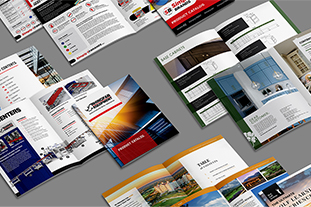
- Catalogs, Brochures, and Direct Mail
- Signage, Trade Show Exhibits, and Banners
4. Support Sales with Strategic Marketing Collateral
Even the strongest positioning can fall flat if it’s not supported by clear, consistent communication. In manufacturing, this often comes down to materials like sales decks, presentations, catalogs, trade show displays, and printed collateral. All play a role in reinforcing how your company is perceived. The goal is to create consistency across every touchpoint, so your messaging feels unified and intentional, no matter where or how it’s encountered.
If your brand isn’t clearly communicating what makes you different, it might be time to take a closer look. What do your current materials say about you? More importantly, what do you want them to say?